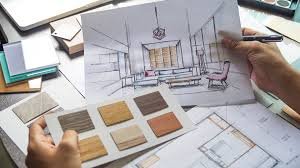
Interior designing is much more than arranging furniture or picking out wall colors—it’s the art of creating spaces that balance beauty, functionality, and comfort. A well-designed interior tells a story, reflects personality, and enhances the way we live and work. Whether it’s a cozy home, a modern office, or a luxury hotel, the right design can transform a simple room into a masterpiece.
Why Interior Designing Matters
The spaces we inhabit have a profound effect on our mood, productivity, and lifestyle. Thoughtfully designed interiors can:
-
Improve functionality by making better use of available space.
-
Enhance well-being through natural light, airflow, and ergonomic design.
-
Showcase personality with unique styles, colors, and décor choices.
-
Increase property value by adding visual appeal and practicality.
Key Elements of Interior Design
-
Space Planning – The foundation of good design. It’s about arranging furniture and décor to make movement effortless and the area functional.
-
Color Palette – Colors influence mood. Soft hues create calmness, while bold shades add energy and vibrance.
-
Lighting – A blend of natural and artificial lighting sets the tone. Layered lighting—ambient, task, and accent—brings depth to a room.
-
Furniture & Materials – Comfort, durability, and aesthetics matter. The choice of wood, metal, fabric, or glass reflects the overall theme.
-
Textures & Patterns – Adding layers through textiles, wallpapers, and finishes creates warmth and character.
-
Balance & Harmony – Every element must complement each other, achieving visual flow without clutter.
Emerging Trends in Interior Design
-
Sustainable Design – Eco-friendly materials, energy-efficient lighting, and recycled décor are becoming mainstream.
-
Minimalism – Less is more. Clean lines, neutral tones, and decluttered spaces promote serenity.
-
Biophilic Design – Bringing nature indoors with plants, natural textures, and daylight integration.
-
Smart Homes – Technology-driven interiors with automated lighting, climate control, and security systems.
-
Personalized Spaces – Designs that reflect individual lifestyles, such as custom furniture or multi-functional rooms.
Tips for a Beautiful Interior
-
Mix modern and traditional elements for timeless appeal.
-
Use mirrors to make small spaces appear larger.
-
Invest in quality furniture—it’s both practical and stylish.
-
Layer lighting to adapt to different moods and activities.
-
Don’t overlook storage; smart solutions keep the space clutter-free.
Conclusion
Interior designing is a blend of creativity, psychology, and technical knowledge. It transforms ordinary spaces into extraordinary experiences, enhancing both aesthetics and functionality. Whether you’re renovating your home or designing a commercial space, thoughtful design can truly redefine the way you live, work, and feel.