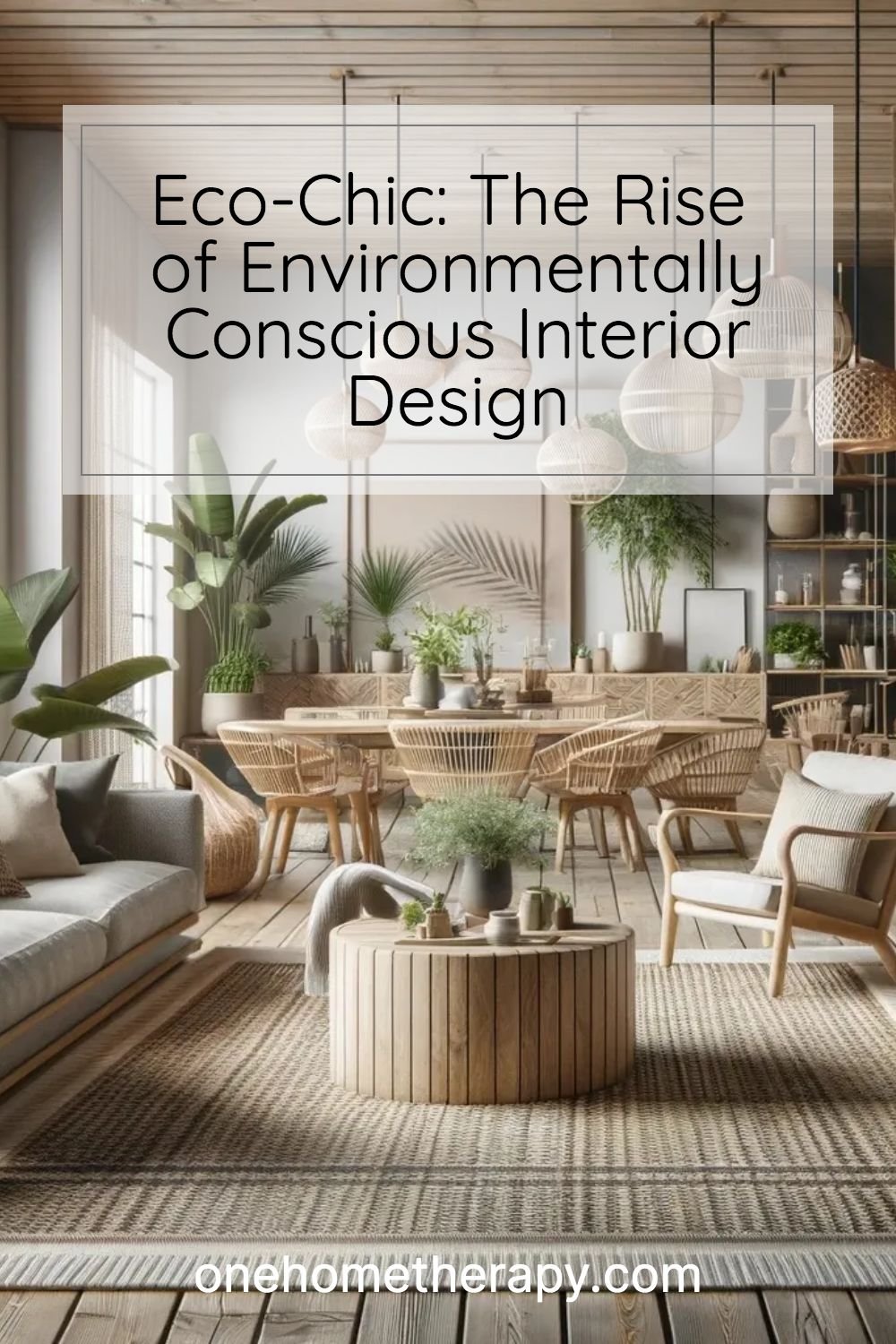
In today’s world, interior design is not only about beauty and comfort—it is also about responsibility. As people become more environmentally conscious, sustainable interior designing has emerged as a powerful trend that blends style with eco-friendliness. It focuses on reducing environmental impact, conserving resources, and creating healthier living spaces without compromising aesthetics.
What is Sustainable Interior Design?
Sustainable interior design is the practice of designing interiors that are environmentally responsible, resource-efficient, and health-conscious throughout their lifecycle. From the choice of building materials to furniture, lighting, and energy use, every element is carefully selected to minimize harm to the planet while maximizing comfort and functionality.
Key Principles of Sustainable Interior Design
1. Use of Eco-Friendly Materials
Choosing renewable, recycled, or natural materials is central to sustainable design. Options like bamboo, reclaimed wood, cork, organic fabrics, and recycled glass add charm to interiors while reducing environmental impact.
2. Energy Efficiency
Energy-saving lighting (like LEDs), smart appliances, and natural ventilation systems reduce electricity consumption. Designing rooms with large windows allows maximum daylight, cutting down the need for artificial light during the day.
3. Waste Reduction
Sustainable interiors promote upcycling and reusing materials. Old furniture can be re-polished or re-upholstered instead of being discarded. This approach not only saves money but also reduces landfill waste.
4. Indoor Air Quality
Conventional paints, adhesives, and furniture often release harmful chemicals (VOCs). Sustainable design favors low-VOC paints, non-toxic finishes, and natural fabrics, which ensure healthier indoor air for occupants.
5. Durability Over Fast Trends
Instead of following short-lived design fads, sustainable design emphasizes timeless aesthetics and durable choices. Quality furniture, classic color schemes, and multipurpose layouts last longer and reduce the need for frequent renovations.
Benefits of Sustainable Interior Design
-
Environmental Benefits: Reduces carbon footprint and conserves resources.
-
Health Benefits: Improves air quality, natural lighting, and overall well-being.
-
Economic Benefits: Saves money through energy efficiency and long-lasting materials.
-
Aesthetic Benefits: Creates unique, natural, and timeless spaces.
Tips for Creating a Sustainable Home or Office
-
Opt for furniture made from reclaimed or certified sustainable wood.
-
Choose natural fabrics like cotton, linen, or jute for curtains and upholstery.
-
Use solar-powered or energy-efficient lighting systems.
-
Add indoor plants to enhance air quality and aesthetics.
-
Design flexible spaces that adapt to changing needs instead of frequent remodeling.
Final Thoughts
Sustainable interior designing is not just a design choice—it’s a lifestyle decision that promotes balance between people, nature, and technology. By adopting eco-friendly practices, we can create interiors that are not only beautiful and functional but also kind to the planet and healthier for future generations.