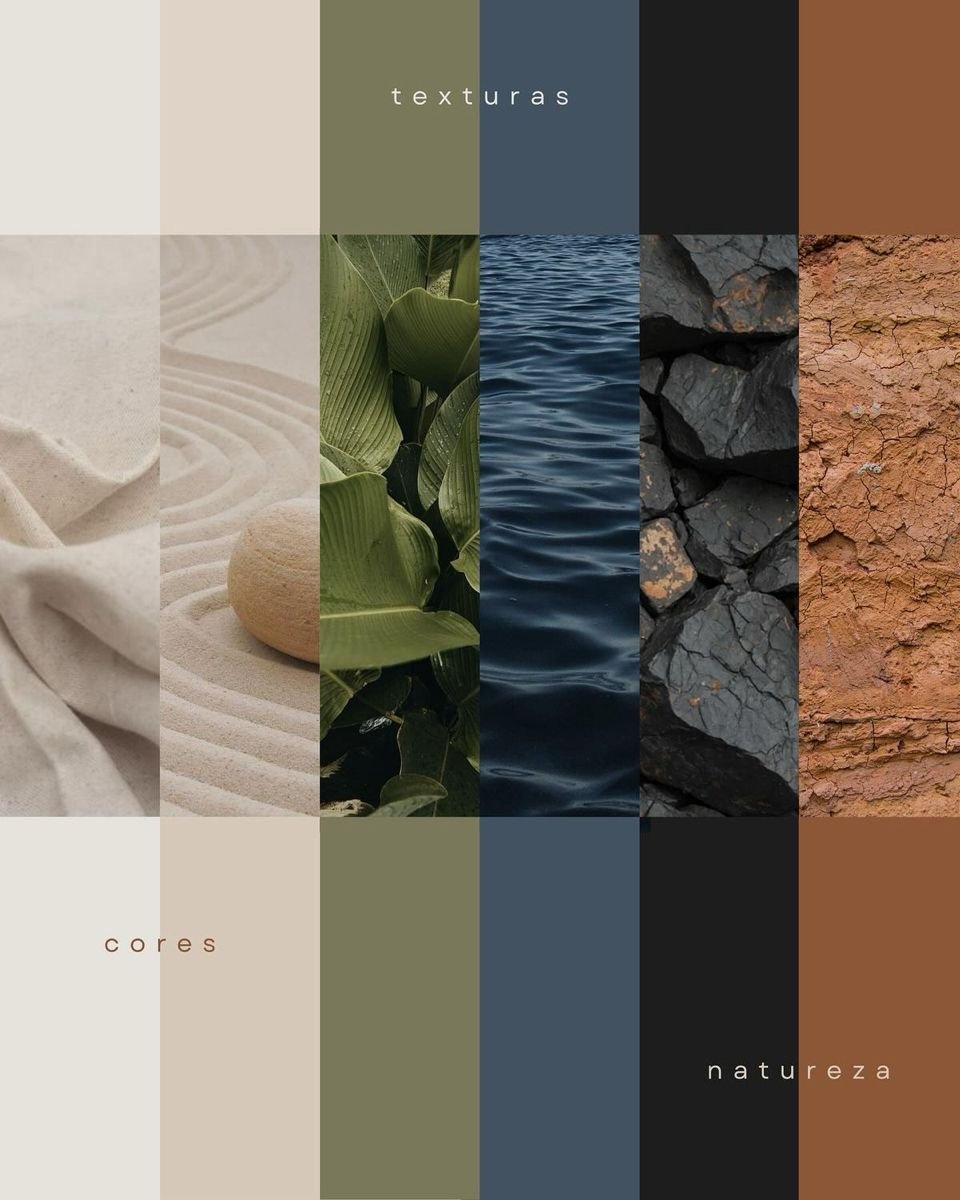
Colors are one of the most powerful tools in interior designing. They have the ability to transform a space instantly—making it feel larger, cozier, brighter, or more luxurious. More than just aesthetics, colors influence mood, energy, and even the functionality of a room. Choosing the right color palette is therefore essential for creating interiors that are both visually appealing and comfortable.
1. Psychological Impact of Colors
Colors are closely linked to human emotions and behavior. Different shades evoke different feelings:
-
Warm Colors (Red, Orange, Yellow): Add energy, excitement, and warmth. Great for living rooms and dining spaces where interaction happens.
-
Cool Colors (Blue, Green, Purple): Create calmness, relaxation, and freshness. Ideal for bedrooms, bathrooms, or workspaces that require focus.
-
Neutral Colors (White, Beige, Grey, Brown): Offer balance, simplicity, and timeless elegance. They are versatile and form the base for many design styles.
2. Colors and Space Perception
Colors can alter the way we perceive space:
-
Light Colors: Make small rooms appear larger and more open.
-
Dark Colors: Add depth and coziness but can make a room feel smaller if overused.
-
Contrasting Colors: Create drama and highlight architectural features.
3. Role of Accent Colors
Accent colors are used sparingly to add character and vibrancy to a room. For example, a neutral living room can come alive with bright cushions, rugs, or artwork. The 60-30-10 rule is often applied: 60% dominant color, 30% secondary, and 10% accent.
4. Cultural and Personal Influence
Color choices are also shaped by culture, lifestyle, and personality. For instance, white symbolizes purity in some cultures and mourning in others. Similarly, a person with an energetic personality may prefer bold, vibrant hues, while someone who values peace may lean toward soft pastels.
5. Trends in Color Use
Modern interior design embraces both bold and subtle palettes. While minimalists prefer whites, greys, and earthy tones, contemporary trends highlight jewel tones, muted pastels, and nature-inspired shades like olive green and terracotta.
Final Thoughts
The role of colors in interior designing goes far beyond decoration. Colors influence emotions, define space, and set the overall mood of interiors. By choosing the right shades and combinations, you can create spaces that are not only visually stunning but also harmonious, functional, and deeply personal.