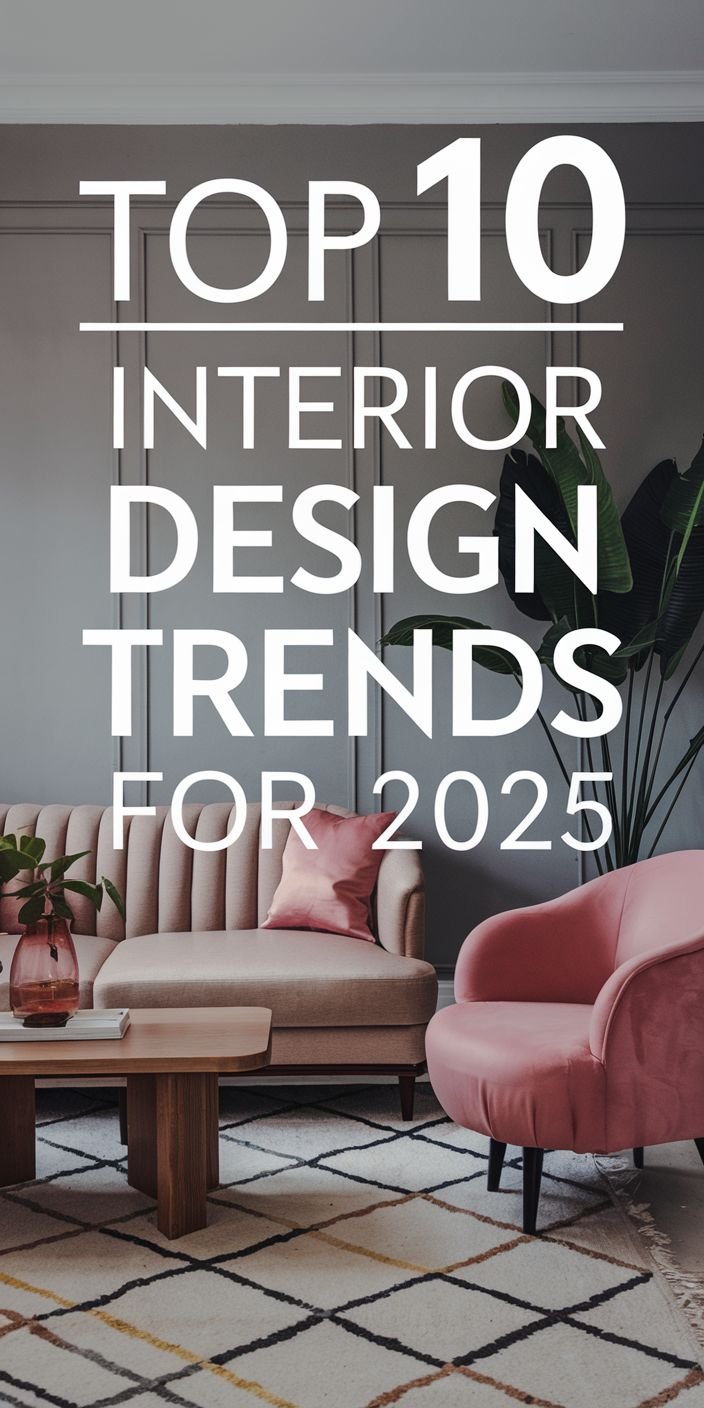
Interior design is more than just arranging furniture or picking colors—it’s about creating a space that reflects personality, functionality, and harmony. One of the most important steps in this process is choosing the right theme. The theme sets the tone for the entire home or workspace and helps guide decisions about colors, textures, décor, and furniture. If chosen wisely, it can transform any space into a beautiful, comfortable, and cohesive environment.
1. Understand Your Lifestyle and Preferences
Before deciding on a theme, take time to reflect on your lifestyle and personal taste.
-
Do you prefer a modern, minimalist look or a cozy, traditional feel?
-
Is your space used for relaxation, entertainment, or work?
-
Do you love bright, energetic vibes or calm, neutral tones?
Your daily routine and personality should guide the theme so that the design feels natural and functional.
2. Research Different Interior Design Styles
Some popular themes include:
-
Modern/Contemporary – Sleek lines, neutral colors, minimal clutter.
-
Traditional – Warm tones, classic furniture, ornate details.
-
Industrial – Exposed brick, raw materials, rustic charm.
-
Scandinavian – Light, airy spaces, natural materials, functionality.
-
Bohemian – Eclectic mix of patterns, colors, and textures.
-
Minimalist – Simplicity, open spaces, less-is-more approach.
Exploring these styles will give you clarity on what resonates with you the most.
3. Consider the Space and Architecture
The structure of your home or office plays a big role in determining the theme. High ceilings, natural lighting, or open layouts may suit modern or Scandinavian styles, while vintage structures may shine with traditional or bohemian designs. Always let the natural features of your space complement the chosen theme.
4. Choose a Color Palette
Colors are powerful in interior design—they influence mood and perception. For example:
-
Soft neutrals create calmness.
-
Bold shades add energy.
-
Earthy tones provide warmth.
Your color palette should align with the theme. Scandinavian designs often use whites and greys, while bohemian styles thrive on vibrant hues.
5. Balance Aesthetics with Functionality
While a theme adds beauty, it must also serve your practical needs. For example, minimalism may look appealing but might not be ideal if you need ample storage. Similarly, a luxurious traditional design may feel overwhelming in a small apartment. Striking a balance between looks and usability is key.
6. Use Inspiration but Add Your Touch
Magazines, Pinterest, or design websites can inspire you, but avoid copying a theme completely. Personalize it with meaningful décor, family heirlooms, or artwork that reflects your story. A successful interior theme should feel unique and authentic.
7. Seek Professional Guidance
If you’re unsure, an interior designer can help align your vision with practical solutions. They bring expertise in blending themes, optimizing layouts, and ensuring your space is both beautiful and functional.
Final Thoughts
Choosing a theme for interior designing is about creating harmony between your style, lifestyle, and space. With the right approach—considering functionality, aesthetics, and personalization—you can design interiors that truly feel like home.